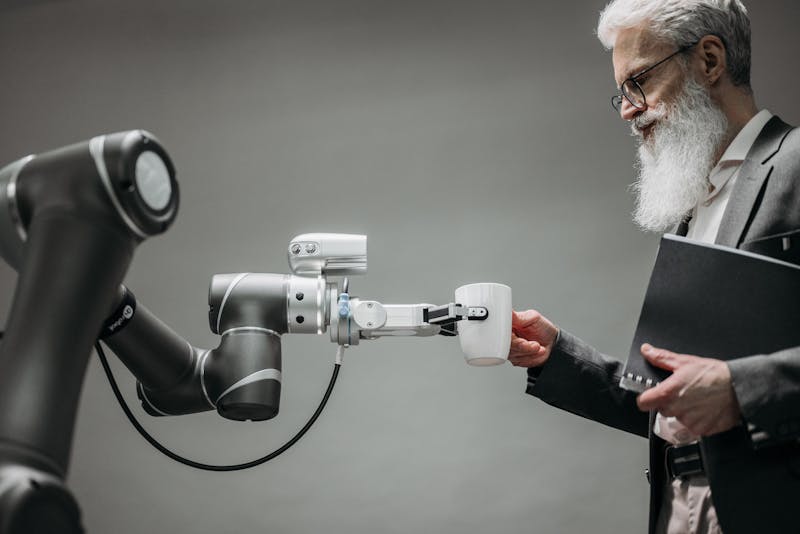
US and China Resume AI Talks Amid Breakthrough Fears
The US and China are quietly reviving emergency AI dialogue as both nations confront the risks of unchecked artificial intelligence breakthroughs in 2026.
Why Are the US and China Talking About AI Again?
Three years after their first high-level AI safety dialogue in Woodside, California, the United States and China are quietly reviving talks about the risks posed by artificial intelligence. The catalyst? Growing alarm on both sides that rapid AI breakthroughs could spiral beyond anyone's control.
The original 2024 meeting in Switzerland was largely unproductive — Chinese officials dismissed American concerns as theoretical. But a November 2024 accord in Peru broke new ground: both nations agreed to keep AI out of nuclear weapons command and control.
What Changed in 2026?
According to sources, the Trump administration — once laser-focused on AI supremacy — is now reckoning with AI's potential dangers for the first time. Quiet discussions have taken place ahead of a state visit to China, exploring the revival of an emergency communication channel specifically for AI incidents.
Former Biden national security advisor Jake Sullivan confirmed: "That's all changed in the past few weeks."
Why Should You Care?
AI regulation isn't just policy — it shapes what tools you can use, how your data is handled, and which companies dominate the market. US-China cooperation (or conflict) on AI directly affects the global tech landscape, chip availability, and the pace of innovation.
What's Next?
Expect formal announcements after the state visit. Industry watchers anticipate agreements on AI safety testing protocols and possibly joint research initiatives on alignment.
FAQ
Q: Why do the US and China need an AI emergency channel? A: To prevent misunderstandings or accidents caused by autonomous AI systems that could escalate into military or economic conflicts.
Q: What was the 2024 Peru accord about? A: Both countries agreed to keep AI out of nuclear weapons command and control systems — a historic first step in bilateral AI cooperation.
Q: How does this affect everyday AI users? A: International AI agreements influence regulation, which determines what AI tools are available, how they're priced, and what safety features they must include.
Stay ahead of the AI curve. Follow @AiForSuccess for daily insights.
📬 Want more AI solopreneur insights?
Subscribe to our weekly newsletter →Related Articles
AI Model API Aggregation Platforms: From Simple Proxies to Enterprise AI Hubs
AI API aggregation platforms are evolving beyond protocol translation. Discover how these platforms are becoming essential infrastructure for enterprise AI adoption.

AI Jobs Explosion: 12x Increase in AI Positions Signals Massive Talent Demand
The AI job market has exploded with a 12x increase in AI positions since 2025. Discover what's driving this talent rush and what it means for your career in artificial intelligence.

Anthropic's Claude Code Source Leak: 1900 Files, 500K Lines of Code Gone Public
In June 2026, Anthropic accidentally published nearly 1,900 source files and 500,000 lines of Claude Code's core codebase. Here's what the leak revealed and why it matters for AI developers.