Physical AI 2026 Report: 67% of Leaders Say It Will Disrupt Their Industries
The Capgemini Physical AI report reveals that two-thirds of executives believe physical AI will fundamentally transform their industries. Here's what you need to know.
The Physical AI Revolution Is Here
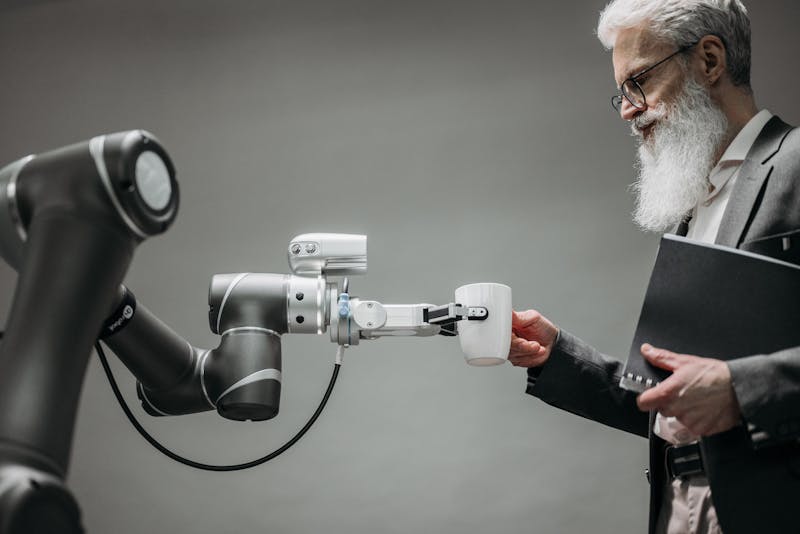
Capgemini's 2026 Physical AI report delivers a clear message: physical AI is transforming robots from pre-programmed executors into intelligent partners capable of adapting to complex environments, making real-time decisions, and collaborating with humans. The survey covered 1,678 executives across 15 industries, making it one of the most comprehensive assessments of physical AI adoption.
What the Numbers Tell Us
The findings are striking. Sixty-seven percent of executives believe physical AI will have a disruptive impact on their industries. Sixty-four percent say it will become a key driver of competitive advantage. These are not early adopters making bold claims; this is mainstream executive opinion from large organizations across diverse sectors including manufacturing, logistics, healthcare, and agriculture.
Why Physical AI Is Different From Traditional Robotics
Traditional industrial robots operate from fixed programs and cannot adapt to unexpected situations. Physical AI systems, by contrast, use advanced sensors, real-time decision-making algorithms, and machine learning to adapt their behavior. A physical AI-equipped robot can handle product variants it was never specifically trained for, navigate around obstacles dynamically, and coordinate with human workers safely in shared spaces.
Industry-Specific Applications Driving Adoption
In manufacturing, physical AI is enabling flexible production lines that can reconfigure themselves for different product variants without human reprogramming. In logistics, it powers warehouse robots that can sort and organize millions of packages with minimal human oversight. In healthcare, physical AI assists surgeons with precision tasks and helps with patient rehabilitation. In agriculture, it enables robots that can identify and remove weeds without chemicals while avoiding crop damage.
What Companies Should Do Now
The Physical AI report suggests that companies should begin strategic planning for physical AI integration now rather than waiting for the technology to mature further. Early movers in industries like manufacturing and logistics have already demonstrated significant productivity gains, and competitive pressure will likely accelerate adoption across all sectors covered in the survey.
Common Questions
Q1: What is physical AI? A1: Physical AI refers to AI systems integrated into physical devices like robots, enabling them to perceive their environment, make decisions in real-time, and adapt to changing conditions rather than following pre-programmed instructions.
Q2: Which industries are most affected by physical AI? A2: Manufacturing, logistics, healthcare, and agriculture are the most advanced in physical AI adoption, according to the Capgemini report.
Q3: What percentage of executives believe physical AI is disruptive? A3: Sixty-seven percent of executives surveyed in the Capgemini report believe physical AI will have a disruptive impact on their industries.
Q4: How does physical AI differ from traditional industrial robots? A4: Traditional robots follow fixed pre-programmed instructions, while physical AI robots can perceive their environment, make real-time decisions, and adapt to unexpected situations dynamically.
Stay ahead of the AI curve. Follow @AiForSuccess for daily insights.
📬 Want more AI solopreneur insights?
Subscribe to our weekly newsletter →Related Articles
AI Model API Aggregation Platforms: From Simple Proxies to Enterprise AI Hubs
AI API aggregation platforms are evolving beyond protocol translation. Discover how these platforms are becoming essential infrastructure for enterprise AI adoption.

AI Jobs Explosion: 12x Increase in AI Positions Signals Massive Talent Demand
The AI job market has exploded with a 12x increase in AI positions since 2025. Discover what's driving this talent rush and what it means for your career in artificial intelligence.

Anthropic's Claude Code Source Leak: 1900 Files, 500K Lines of Code Gone Public
In June 2026, Anthropic accidentally published nearly 1,900 source files and 500,000 lines of Claude Code's core codebase. Here's what the leak revealed and why it matters for AI developers.