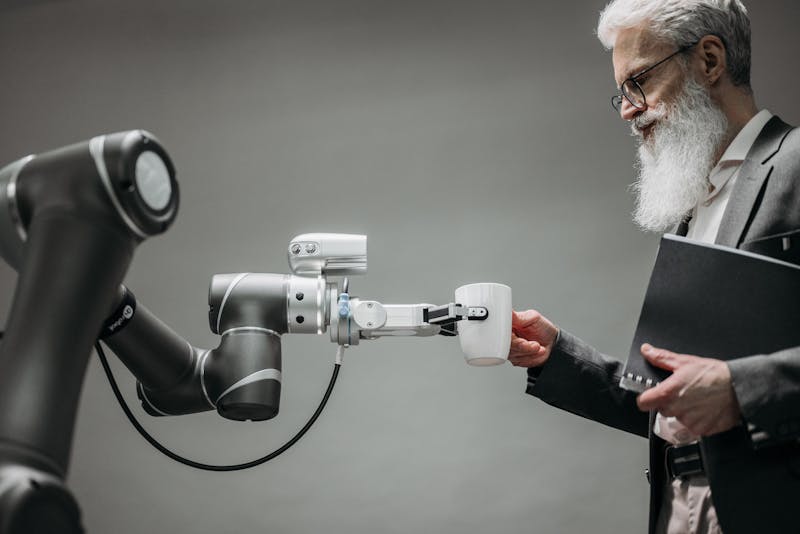
Forrester's Top 10 Emerging Technologies 2026: AI Goes Physical
Forrester's 2026 report highlights a pivotal shift as AI moves beyond software into physical environments, powering robots and real-world transformation across industries.
What Did Forrester's 2026 Report Reveal?
Forrester released its Top 10 Emerging Technologies In 2026 report on April 15, highlighting a pivotal shift in AI. The technology is no longer confined to digital experimentation — it's moving into physical environments, powering robots and delivering tangible real-world impact for consumers.
Why Is the Physical AI Shift Significant?
This transition from digital to physical represents a fundamental change in AI's value proposition. Instead of just processing data and generating content, AI systems are now interacting with and changing the physical world. This means autonomous manufacturing, robotic healthcare assistants, and AI-driven logistics are no longer future concepts — they're present reality.
Which Industries Are Most Affected?
Manufacturing leads adoption with AI-powered quality control and autonomous assembly lines. Healthcare follows closely with robotic surgery assistance and patient monitoring. Logistics companies are deploying AI-driven warehouse robots and autonomous delivery systems. Agriculture is seeing precision farming with AI-guided equipment.
What Should Business Leaders Do Now?
Forrester recommends evaluating physical AI opportunities within your specific industry vertical. Start with pilot programs in controlled environments before scaling. The competitive advantage window is narrow — companies that wait for mature solutions may find themselves permanently behind.
Common Questions (FAQ)
Q1: Is physical AI the same as robotics? A1: Not exactly. Physical AI includes robotics but also covers any AI system that interacts with the physical world, like autonomous vehicles and smart manufacturing.
Q2: How soon will physical AI impact small businesses? A2: Within 12-18 months for logistics and retail. Smaller operations can adopt AI-driven inventory and delivery solutions first.
Q3: What are the risks of physical AI? A3: Safety is the primary concern — AI systems operating in physical spaces need rigorous testing and fail-safe mechanisms.
Stay ahead of the AI curve. Follow @AiForSuccess for daily insights.
📬 Want more AI solopreneur insights?
Subscribe to our weekly newsletter →Related Articles
AI Model API Aggregation Platforms: From Simple Proxies to Enterprise AI Hubs
AI API aggregation platforms are evolving beyond protocol translation. Discover how these platforms are becoming essential infrastructure for enterprise AI adoption.

AI Jobs Explosion: 12x Increase in AI Positions Signals Massive Talent Demand
The AI job market has exploded with a 12x increase in AI positions since 2025. Discover what's driving this talent rush and what it means for your career in artificial intelligence.

Anthropic's Claude Code Source Leak: 1900 Files, 500K Lines of Code Gone Public
In June 2026, Anthropic accidentally published nearly 1,900 source files and 500,000 lines of Claude Code's core codebase. Here's what the leak revealed and why it matters for AI developers.